15 Aug 2026
AI Personalization Engines Reshape Bonus Selection in Regulated Gaming Platforms
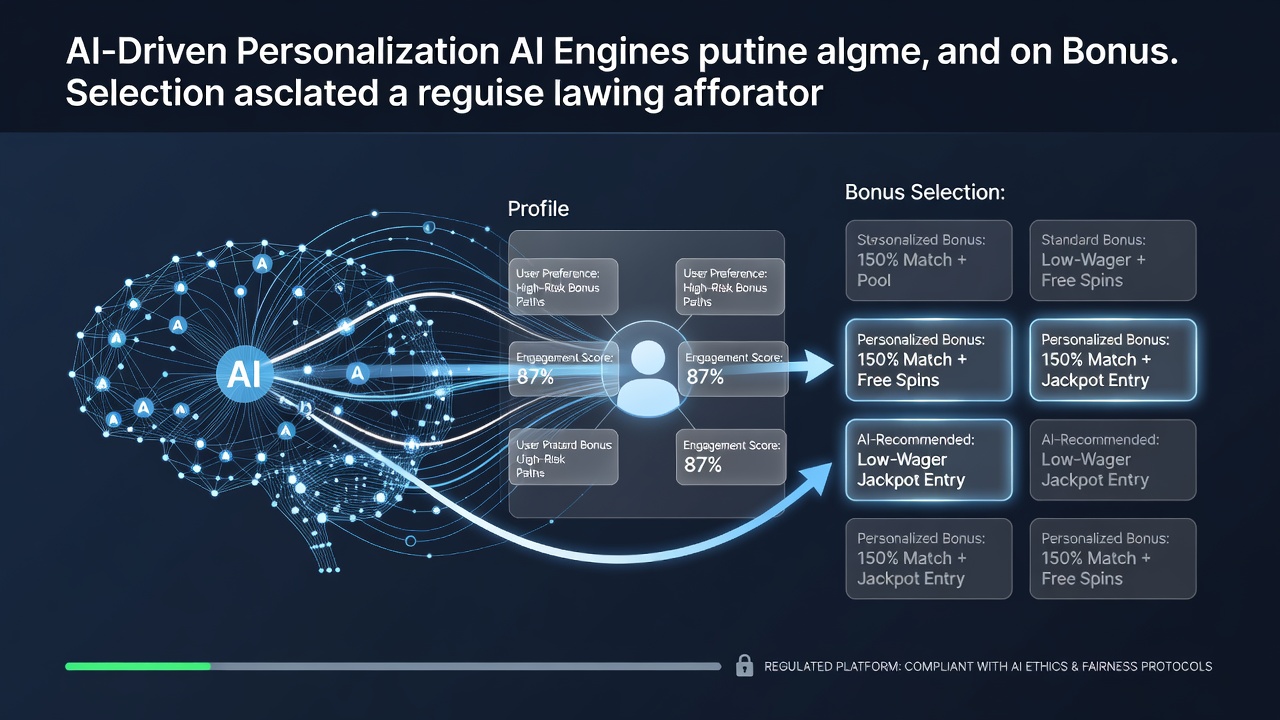
AI-driven personalization engines now process vast player datasets across regulated digital gaming platforms, and these systems adjust bonus offers based on individual behavior patterns, past redemption rates, and session durations. Platforms deploy machine learning models that segment users into cohorts, then deliver targeted promotions while operators maintain adherence to regional licensing requirements. Research from academic institutions tracking European markets shows these engines increase bonus uptake by analyzing variables such as wager frequency and preferred game types, yet they operate under strict data protection rules that limit certain profiling techniques.
Core Mechanics Behind Personalization Algorithms
Algorithms collect real-time inputs from user interfaces, including click paths through bonus menus, dwell times on specific offers, and historical win-loss ratios, then generate dynamic recommendations that evolve during active sessions. Developers integrate these models with compliance layers that flag any suggestion violating responsible gaming thresholds, so the engine automatically excludes high-risk players from aggressive promotions. Data indicates that platforms in multiple jurisdictions saw bonus selection diversity rise after implementing such filters, because users encounter options matched to their established habits rather than generic lists.
Observed Shifts in Bonus Selection Patterns
Operators report that personalized engines correlate with higher conversion on low-deposit bonuses among moderate-volume players, while high-rollers receive invitations to tiered loyalty structures that incorporate cashback or free spin allocations. Studies from research groups monitoring North American and Australian markets reveal seasonal adjustments, where engines recalibrate offers ahead of peak periods to sustain engagement without exceeding promotional caps set by regulators. Those who examined transaction logs across several platforms noted that selection behaviors stabilize when algorithms prioritize transparency, displaying clear terms alongside each suggestion.
What's interesting here is how regulatory updates in August 2026 prompted several operators to refine their models further, incorporating new audit trails that document every personalized recommendation for oversight bodies. This timing aligned with expanded testing requirements in select markets, where platforms must demonstrate that algorithms do not inadvertently steer vulnerable accounts toward repeated redemptions.
Regulatory Oversight and Compliance Integration
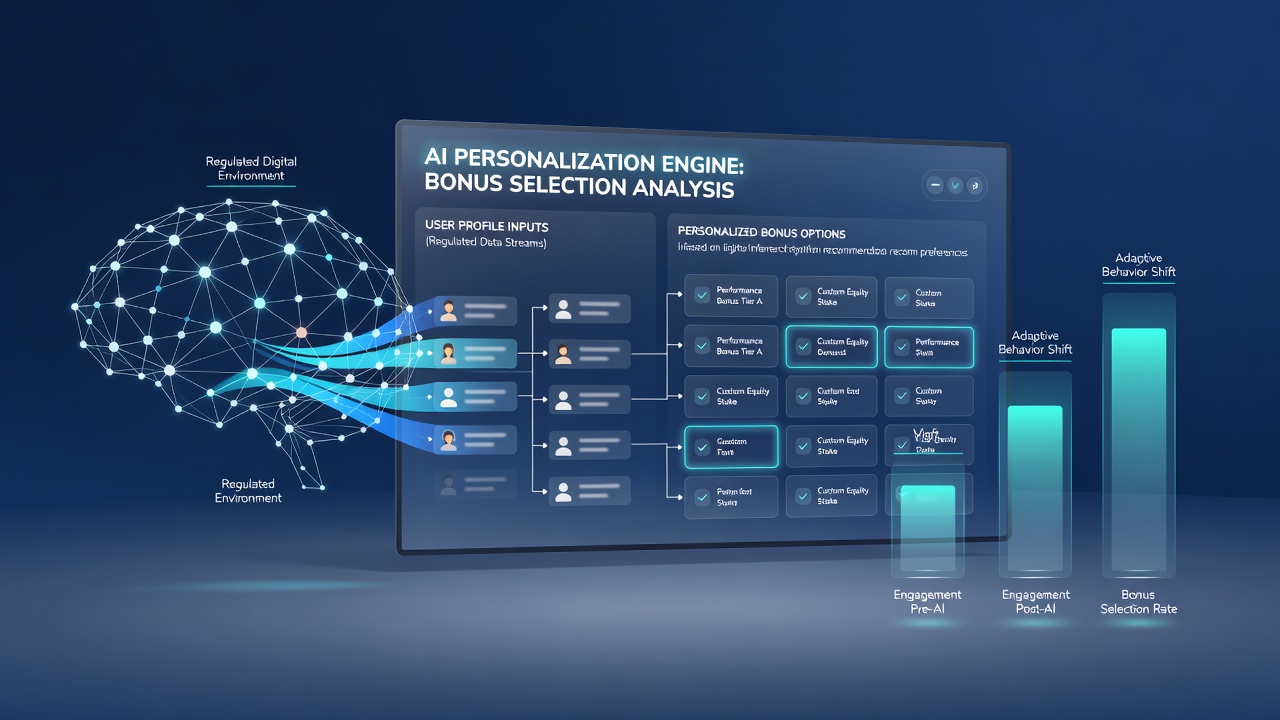
Regulators in various regions now require operators to submit documentation on how personalization logic complies with fairness standards, and this includes third-party reviews of training datasets to prevent bias in bonus targeting. The New Jersey Division of Gaming Enforcement has published guidelines that emphasize auditability of algorithmic decisions, while similar frameworks in Canadian provinces stress player consent mechanisms before data feeds into recommendation engines. Industry reports from the Asia-Pacific region further show that operators who embed these checks early in development cycles experience fewer compliance adjustments later.
Take one analysis conducted by university researchers in 2025, which tracked bonus flows on licensed platforms and found that personalization reduced random selection errors by directing players toward offers matching their verified preferences. Yet the same work highlighted that engines must pause recommendations during cooling-off periods mandated by law, ensuring no override occurs even when behavioral signals suggest otherwise.
Platform-Level Implementation Examples
Several major operators integrated these engines with live A/B testing frameworks, comparing personalized versus static bonus displays over multi-week periods, and results showed measurable differences in redemption timing and variety. Observers note that mobile interfaces amplify these effects because push notifications triggered by the algorithm reach users during optimal engagement windows, though platforms must log every interaction for regulatory review. Figures from aggregated industry data reveal that regions with mature licensing regimes report steadier adoption rates, since operators there balance personalization depth against mandatory spending limits.
But here's the thing: as engines grow more sophisticated, they incorporate feedback loops from post-redemption surveys, refining future suggestions while staying within the boundaries of approved promotional structures. This approach helps platforms maintain variety in bonus types offered, preventing over-concentration on any single category such as free spins or deposit matches.
Conclusion
AI personalization engines continue to influence how players navigate bonus options on regulated platforms, with ongoing data collection shaping refinements that align with both commercial goals and oversight mandates. As August 2026 developments demonstrated through updated compliance protocols, operators increasingly rely on transparent, auditable systems to sustain these capabilities across diverse regulatory landscapes. Future iterations will likely build on existing patterns, incorporating broader datasets while preserving the core requirement that all recommendations respect jurisdictional rules on fairness and player protection.