8 Jun 2026
Decoding seasonal fluctuations in high-stakes table game traffic across European regulatory frameworks
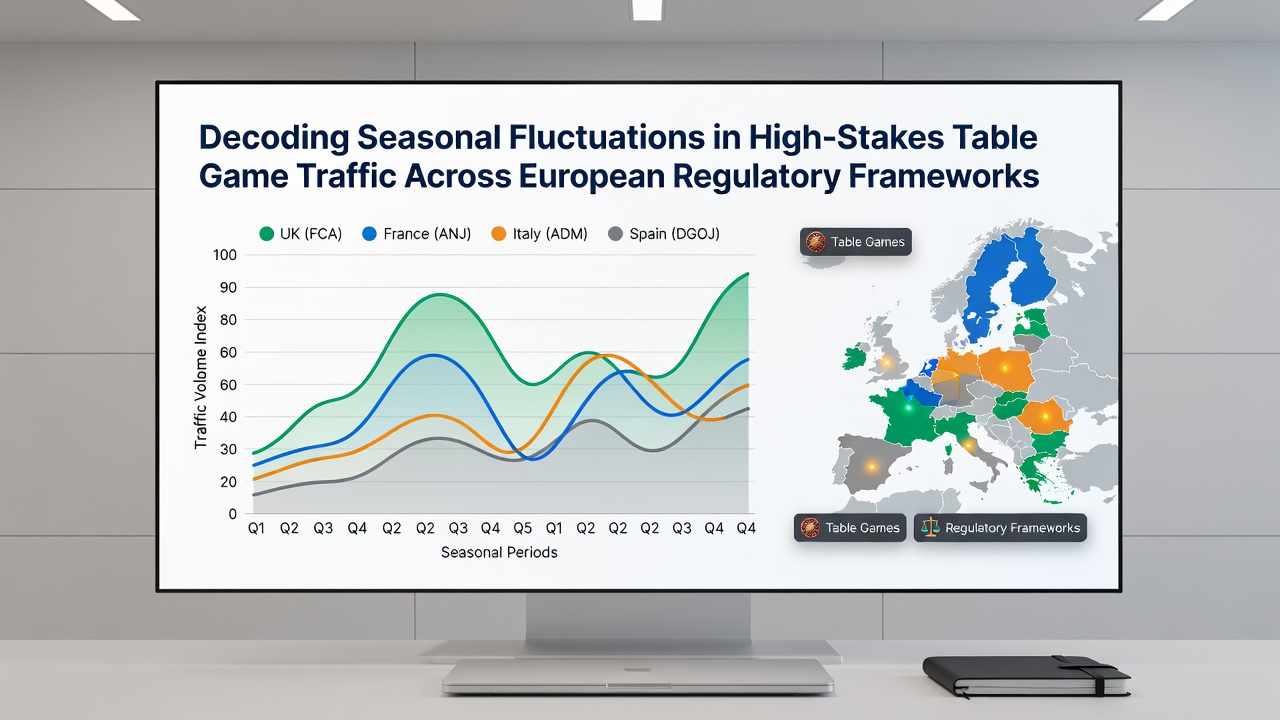
High-stakes table games such as blackjack, roulette, and poker draw consistent attention across European jurisdictions, yet traffic volumes shift noticeably with the calendar and local rules. Data from multiple markets show that summer months often bring elevated player counts in tourist-heavy regions, while winter periods see steadier but lower volumes in urban centers governed by stricter licensing caps. Regulatory differences between countries create distinct patterns, with some frameworks allowing extended hours during holiday peaks and others enforcing uniform limits year-round.
Mapping regulatory differences that shape traffic
European countries maintain separate licensing systems that directly affect how operators respond to demand changes. France's ANJ enforces fixed operational windows that limit extensions even during major events, whereas Malta's framework permits more flexible scheduling tied to tourism cycles. These variations mean that seasonal spikes appear sharper in jurisdictions with adaptive rules, while rigid structures produce flatter curves throughout the year. Observers note that operators adjust marketing and staffing based on these frameworks, leading to measurable differences in table occupancy rates between neighboring markets.
Documented patterns across key markets
Records compiled by national authorities reveal recurring trends tied to both climate and cultural calendars. Coastal destinations experience upticks from May through September as international visitors arrive, boosting high-limit rooms in places like the south of France and coastal Spain. Inland capitals show steadier activity concentrated around corporate and local clientele, with smaller lifts during winter festivals. Figures from regulatory filings indicate that June periods frequently mark transition points, where early summer tourism overlaps with end-of-season events and sets the stage for sustained activity into July and August.
Influences from tourism and major events
Tourism flows and sporting calendars exert strong pressure on table game volumes. Major football tournaments or racing festivals draw crowds that spill into casinos, particularly when events coincide with regulatory allowances for extended play. In 2026, the opening stages of the FIFA World Cup create an additional layer of timing, as June fixtures align with traditional holiday travel and prompt operators to prepare for mixed local and visitor traffic. Studies from research institutions show that these overlaps amplify daily averages in permitted venues while markets with tighter visitor caps register more modest gains.

Data sources and measurement approaches
Regulators collect occupancy and revenue statistics through mandatory reporting, allowing comparisons across seasons. The French regulatory body publishes quarterly breakdowns that highlight summer increases in table game handle, while Germany's state-level reports track regional variations linked to trade fair schedules. Academic analyses of these datasets confirm that high-stakes segments respond more sharply to external calendars than lower-limit games, because participants often combine visits with travel or events. One study from a European research consortium linked a 15-20 percent rise in average table occupancy to combined summer tourism and festival periods in select jurisdictions.
Cross-border player movement adds another dimension. When one country tightens rules mid-year, traffic sometimes shifts toward neighbors with more accommodating frameworks, creating temporary imbalances that appear in aggregated statistics. This movement tends to follow predictable seasonal windows rather than random spikes, allowing operators and regulators to anticipate pressure points in advance.
Conclusion
Seasonal fluctuations in high-stakes table game traffic reflect the interaction between fixed regulatory structures and variable external factors such as tourism, events, and calendar overlaps. European frameworks produce distinct regional signatures, with data revealing consistent summer elevations in tourist-oriented markets and steadier patterns elsewhere. As June 2026 approaches with its international sporting schedule, existing records provide a baseline for tracking how these elements combine under current rules. Continued monitoring through official channels will clarify whether established patterns hold or shift in response to any policy adjustments.