4 Jun 2026
How Notification Frequency Influences Extended Gaming Sessions in Mobile Applications
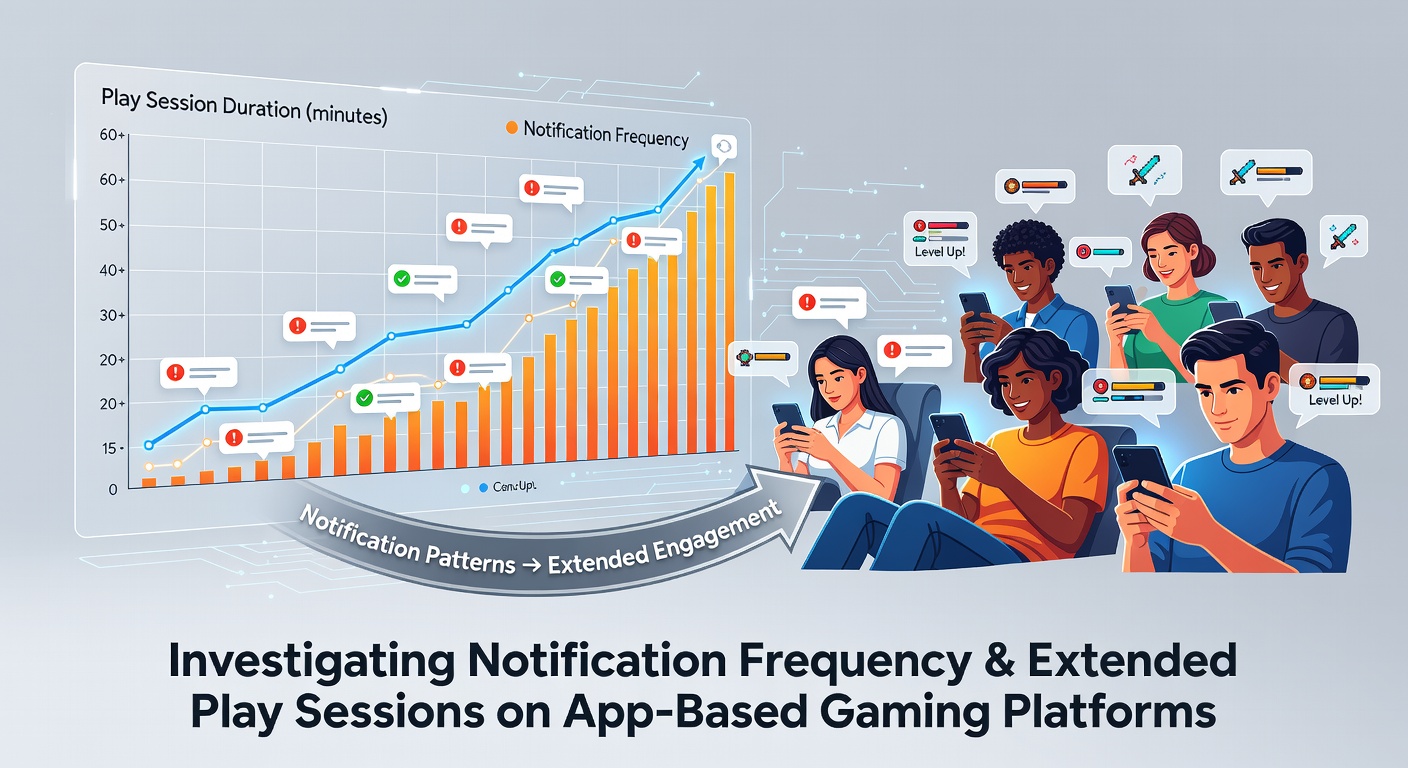
Notification systems in app-based gaming platforms deliver timed alerts that prompt users to return and continue play, and researchers track how the spacing and volume of these messages correlate with longer continuous sessions across devices. Studies from academic institutions show that intervals between notifications, ranging from 30 minutes to several hours, produce measurable differences in session duration when compared to random or high-frequency bursts. Data collected from major platforms indicates that moderate patterns sustain engagement without triggering immediate opt-outs, while excessive alerts often lead to reduced activity after initial spikes.
Patterns Observed in User Behavior Data
Analyses of large datasets reveal distinct categories of notification frequency that affect how long players remain active in a single session. Low-frequency approaches, such as one or two targeted messages per day, tend to align with users who log in during specific windows like evening hours and maintain play for 45 to 90 minutes on average. Medium-frequency schedules, delivering three to five alerts spaced throughout the day, connect to sessions that extend beyond two hours in platforms that also incorporate progress-based rewards. High-frequency models exceed six messages daily and frequently appear in shorter bursts of activity followed by quicker exits, according to telemetry reviewed by industry analysts.
One research team at a North American university examined over 2 million user accounts and found that personalized timing based on past login data increased the likelihood of sessions lasting longer than the platform average by 18 percent. The same dataset showed that generic broadcast notifications without user-specific adjustments produced no significant extension in play time and sometimes correlated with higher uninstall rates within 48 hours.
Platform-Specific Implementation and Results
Different gaming platforms apply these patterns in ways that reflect their core mechanics and audience demographics. Puzzle and match-style titles often use staggered reminders tied to energy or lives regeneration cycles, creating natural re-engagement points that encourage returns within two to four hours. Action and battle games tend toward event-based alerts announcing limited-time challenges, which data from European mobile analytics firms links to clustered play periods of 60 minutes or more when notifications arrive at peak usage times. Observers note that platforms integrating social features see stronger session extensions when notifications mention friend activity rather than generic promotions.
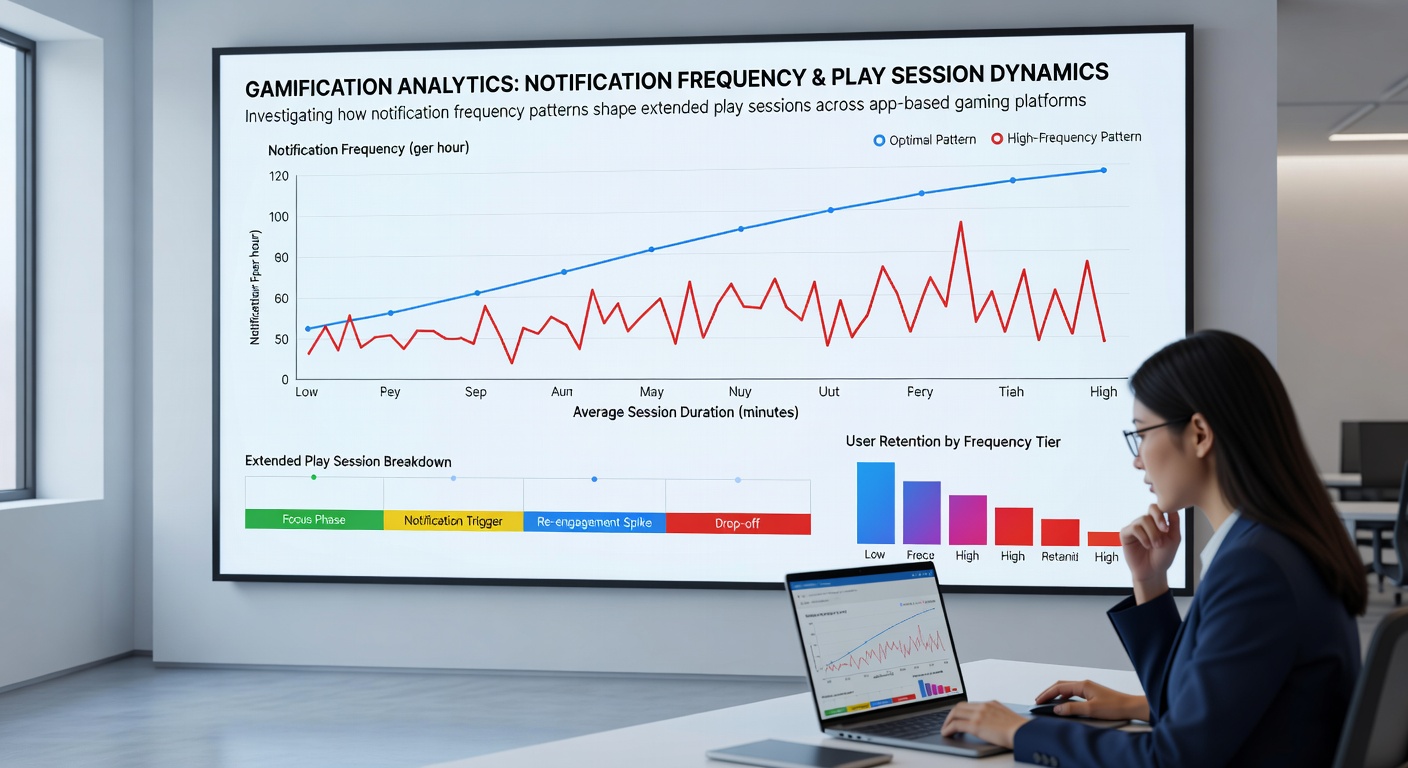
Cross-platform comparisons conducted in 2025 highlighted that iOS and Android environments respond differently to identical frequency patterns because of variations in notification delivery systems and user permission settings. Figures from an Australian digital media authority report indicated that Android users exposed to medium-frequency personalized alerts maintained sessions averaging 25 percent longer than iOS counterparts under the same conditions, possibly due to differences in background refresh capabilities.
Emerging Trends and June 2026 Developments
Industry reports project continued refinement of notification algorithms through machine learning models that adjust frequency in real time based on individual response rates. A collaborative study involving researchers from multiple Asian institutions, scheduled for release in June 2026, will examine whether adaptive systems that reduce alerts after detecting fatigue signals produce more stable long-term session lengths across diverse gaming genres. Preliminary data shared at industry conferences suggests that such dynamic adjustments could lower churn while preserving the session extension benefits observed in static moderate-frequency approaches.
Regulatory bodies in several regions have begun reviewing notification practices as part of broader digital engagement guidelines, though enforcement remains focused on transparency rather than strict limits. Trade associations representing mobile developers have published voluntary best-practice documents that recommend transparent frequency disclosures and easy opt-out mechanisms to maintain user trust while supporting extended play patterns.
Conclusion
Evidence gathered across multiple studies demonstrates that notification frequency patterns directly influence the length and consistency of play sessions on app-based gaming platforms, with medium and personalized schedules showing the strongest positive correlations in available datasets. Continued monitoring of user response data alongside technological advances in delivery systems will shape how these patterns evolve, particularly as new findings emerge in 2026. Platforms that balance engagement goals with measured delivery continue to refine approaches based on observed behavioral metrics rather than uniform strategies.