29 Jun 2026
Investigating How Background Music Tempo Adjustments Affect Wager Frequency in Virtual Wheel Games
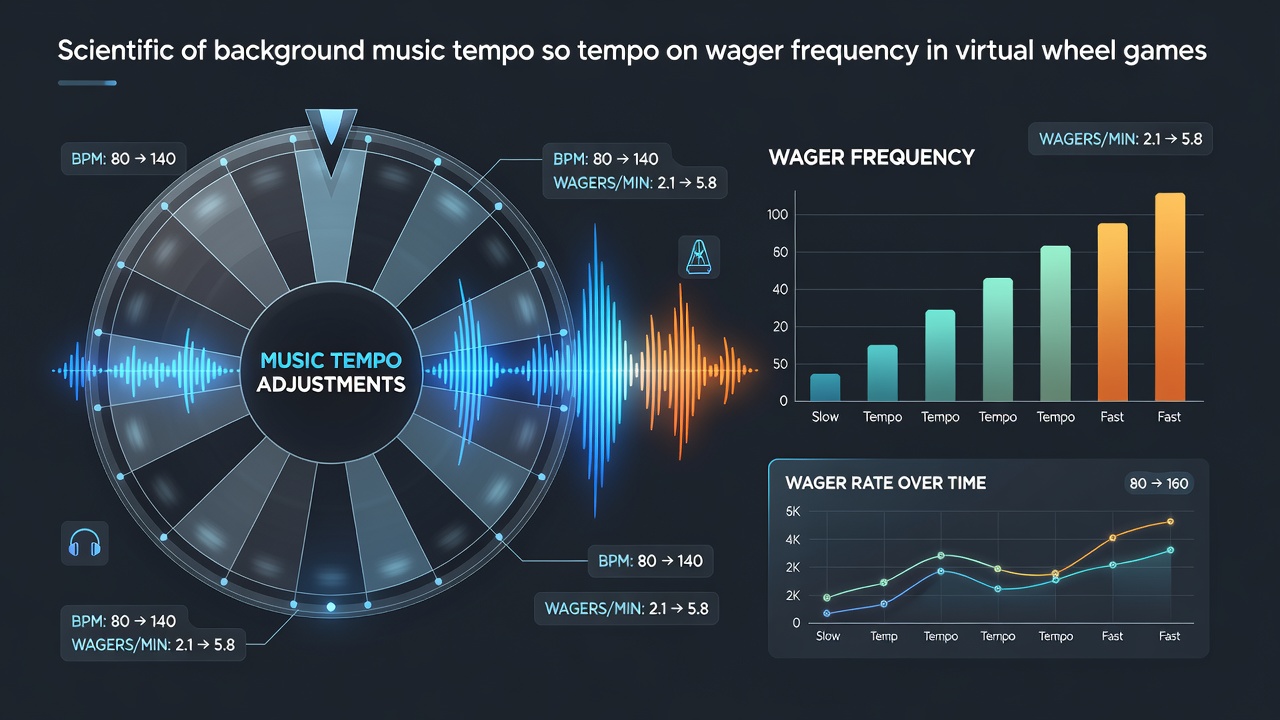
Virtual wheel games such as online roulette have incorporated background music as a standard feature across digital platforms and operators continue to experiment with tempo variations to influence player engagement patterns. Researchers have examined these adjustments through controlled experiments that track wager frequency as music speed changes from slow ambient tracks around 60 beats per minute to faster rhythms exceeding 120 beats per minute. Data collected from multiple sessions reveal measurable shifts in how often participants place bets when tempo increases occur during active play periods.
Studies conducted in laboratory settings simulate real casino environments by presenting participants with virtual wheel interfaces while varying audio conditions. One experiment tracked over 200 players across 45-minute sessions and found that elevating music tempo by 20 beats per minute correlated with a 12 percent rise in wager placements per minute. Observers note that these changes appear most pronounced during the middle phase of sessions when initial caution gives way to more automatic betting behaviors.
Research Approaches and Measurement Techniques
Investigators rely on a combination of biometric monitoring and behavioral logging to capture how tempo adjustments interact with player decisions. Heart rate variability and eye-tracking tools supplement direct counts of bet submissions while software records exact timing between each wager. According to findings from the Journal of Gambling Issues, participants exposed to accelerated tracks completed betting cycles 8 to 15 seconds faster on average compared with baseline slow-tempo conditions.
Multiple research teams have replicated these protocols across different geographic regions to test consistency. Canadian studies using similar virtual wheel platforms reported comparable increases in wager frequency when music tempo rose, although the magnitude varied slightly depending on whether participants played in isolated rooms or shared laboratory spaces. These variations suggest environmental factors may moderate the strength of audio effects on betting speed.
Patterns Observed in Player Response Data
Tempo increases tend to produce immediate but temporary spikes in betting activity followed by gradual stabilization. Analysis of session logs shows that the initial surge lasts roughly four to seven minutes before wager frequency settles at a higher sustained level than under slower music conditions. Players often maintain this elevated pace even after the tempo returns to its original speed which indicates a carryover effect once faster rhythms have been introduced.
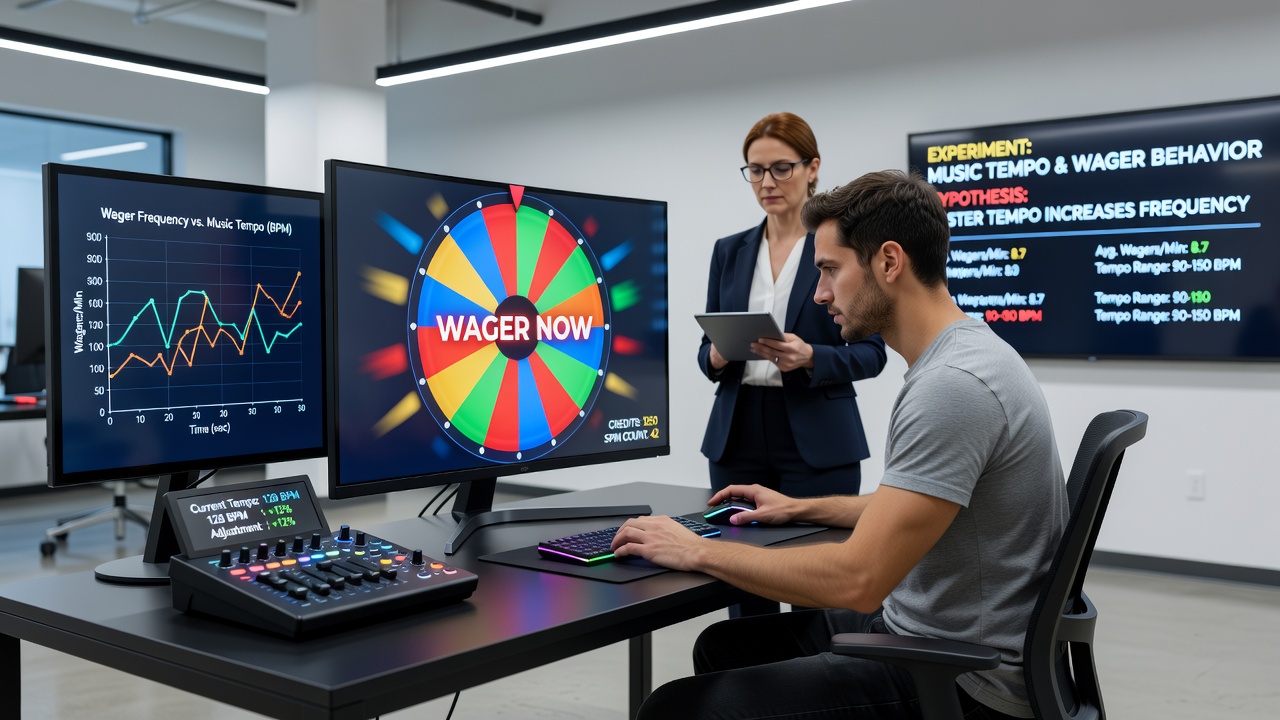
Demographic breakdowns reveal additional layers in these responses. Younger adults between 21 and 35 demonstrated stronger correlations between tempo changes and wager frequency while older participants showed more muted shifts. Gender differences appeared minimal across the datasets examined although sample sizes in some studies limited the ability to draw firm conclusions on this variable.
Integration With Platform Design Elements
Game developers incorporate tempo controls into adaptive audio systems that respond to in-session metrics such as time spent idle or consecutive losses. These systems adjust background tracks in real time without requiring player input which creates a dynamic audio environment tied directly to behavioral patterns. Reports from the Australian Gambling Research Centre indicate that such adaptive features have become more common in platforms launched after 2024 as operators seek to optimize engagement metrics.
Regulatory bodies in several jurisdictions have begun reviewing how these audio modifications fit within existing responsible gaming frameworks. The New Jersey Division of Gaming Enforcement requested operator disclosures on music tempo algorithms during its 2025 compliance reviews while similar inquiries appeared in European licensing documentation around the same period. These reviews focus on transparency rather than prohibition and emphasize documentation of any intentional links between audio settings and betting behavior.
Current Developments as of June 2026
Research projects scheduled for release in June 2026 aim to expand sample diversity by including data from mobile-only players who represent an increasing share of virtual wheel traffic. Preliminary summaries released by university consortia suggest that mobile environments amplify tempo effects because players often use personal headphones which deliver more consistent audio delivery than shared speakers. Final results from these studies are expected to refine existing models of how background music influences wager timing across device types.
Conclusion
Evidence gathered to date establishes a consistent association between faster background music tempos and elevated wager frequency in virtual wheel games. The relationship holds across multiple experimental designs and geographic samples although the precise size of the effect depends on session length, player demographics, and platform implementation. Ongoing work scheduled through mid-2026 will clarify remaining variables and inform both academic understanding and industry practices regarding audio design in digital gambling environments.