Payout Speed Showdown: E-Wallets, Crypto, and Bank Transfers in Online Casinos
16 Apr 2026
Payout Speed Showdown: E-Wallets, Crypto, and Bank Transfers in Online Casinos
The Basics of Casino Payouts in a Fast-Paced World
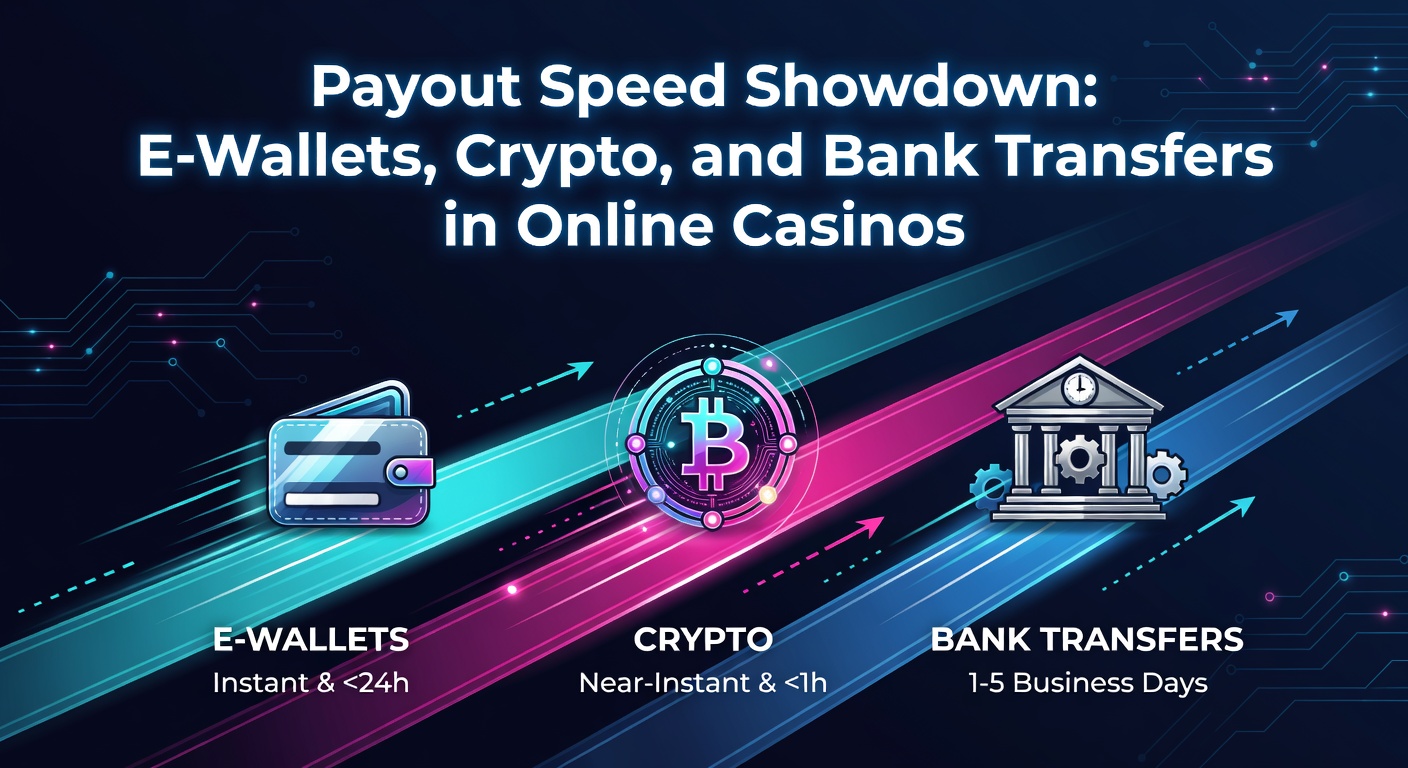
Online casinos process millions in payouts daily, and speed remains a key factor players weigh heavily when choosing platforms, especially now that expectations run high in an era of instant transactions everywhere else. Data from industry trackers reveals average payout times vary wildly by method—e-wallets often clock in under 24 hours, cryptocurrencies push even faster at minutes to hours, while bank transfers lag behind at days or weeks, depending on the region and verification steps involved. Observers note this disparity shapes player loyalty; those who wait longer on bank options sometimes switch to quicker alternatives, creating a clear showdown among these popular choices.
What's interesting is how regulatory frameworks influence these speeds across borders—for instance, stricter checks in Europe slow some processes, whereas looser rules in emerging markets accelerate others. And as of April 2026, updates from bodies like the Malta Gaming Authority mandate clearer disclosure of average processing times, pushing operators to optimize their systems further.
E-Wallets Take the Lead in Everyday Speed
E-wallets like PayPal, Skrill, and Neteller dominate the quick-payout scene because they bridge casino accounts directly to user wallets without heavy banking intermediaries, often delivering funds within minutes to 24 hours after approval. Figures from a 2025 eCOGRA report indicate 85% of e-wallet withdrawals clear in under 12 hours at licensed sites, a stat that holds steady into April 2026 despite rising transaction volumes. Players appreciate the familiarity too; take one regular who shared on forums how Skrill turned a $500 win into spendable cash overnight, avoiding the weekend delays that plague traditional banks.
But here's the thing: not all e-wallets perform equally across regions—Neteller shines in Europe with sub-hour processing at many platforms, while PayPal faces U.S. restrictions that bump times to 1-3 days due to gambling-related policies. Experts have observed fees play a role as well, typically 1-3% per transaction, although some casinos absorb these to lure users. And while security layers like two-factor authentication add brief holds, they prevent fraud, which spiked 15% last year according to cybersecurity analyses.
Turns out, integration matters hugely; platforms partnering deeply with e-wallet providers see 20-30% faster clearances, as seamless APIs handle verifications on the fly. People who've tested multiple sites often discover ecoPayz or MuchBetter edging out competitors in Canada and Australia, where local banking ties speed things up even more.
Cryptocurrency Emerges as the Speed King
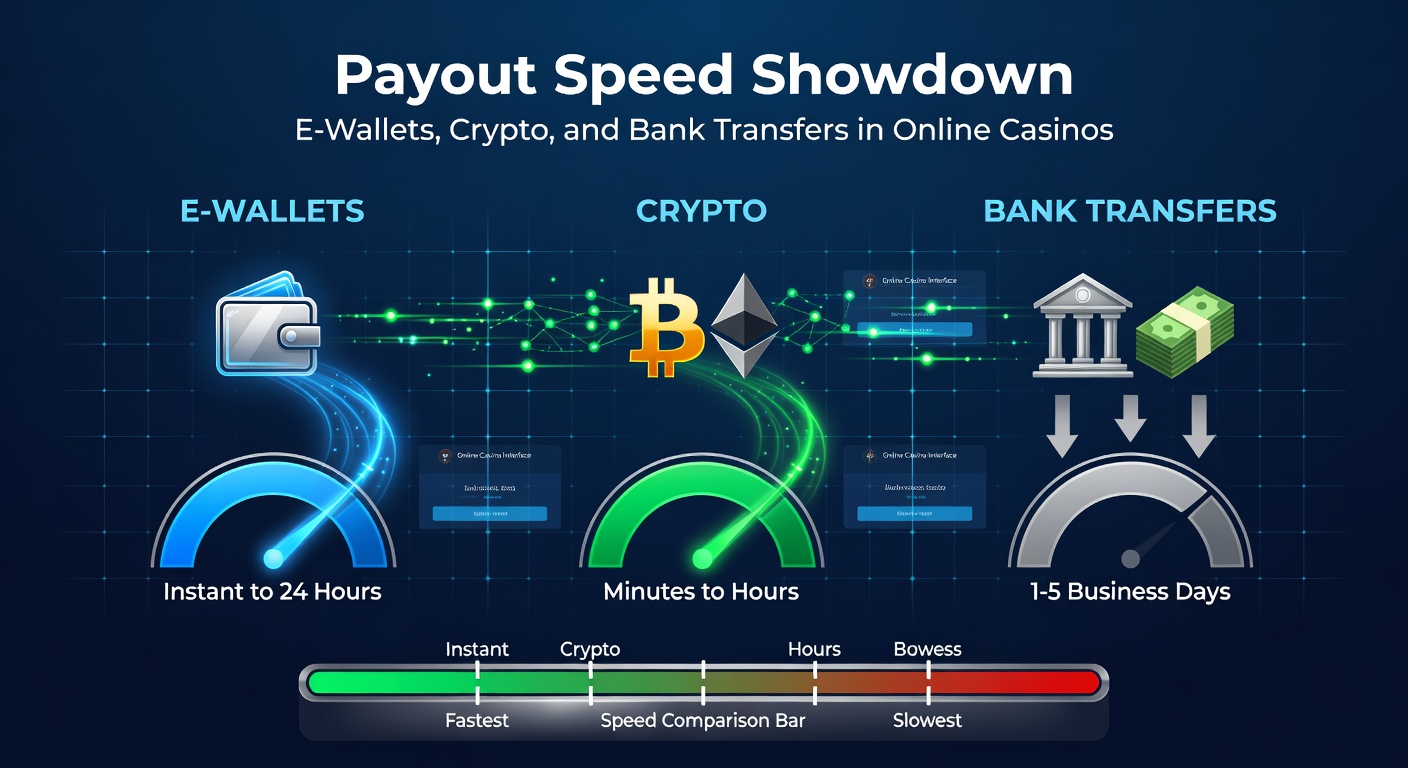
Cryptocurrencies like Bitcoin, Ethereum, and newer stablecoins such as USDT flip the script on traditional payouts, often confirming transactions in 10-60 minutes via blockchain networks that operate 24/7 without holidays or cutoffs slowing them down. Research from Chainalysis in early 2026 shows over 70% of crypto casino withdrawals process under an hour, a figure boosted by layer-2 solutions like Lightning Network that slash fees and times dramatically. One operator reported handling 10,000 BTC payouts monthly at averages below 30 minutes, drawing players tired of fiat delays.
Yet volatility tags along; while speeds impress, price swings mean a $1,000 Bitcoin win might dip 5-10% during transfer if markets turn, although stablecoins mitigate this by pegging to fiat values. Regulators in places like Ontario adapt quickly—the Alcohol and Gaming Commission of Ontario approved enhanced crypto frameworks in March 2026, ensuring faster audits without compromising safety. Observers note this greenlights more platforms, especially as Ethereum's upgrades cut gas fees by half, making micro-payouts viable.
So why isn't crypto everywhere yet? Withdrawal limits cap many at $10,000 per go, and not all players hold wallets, but those who do—like tech-savvy users in Asia—rave about the anonymity and borderless nature, turning global wins into instant access. Case in point: a European player cashed out €2,000 in USDT during a live dealer session, funds hitting their exchange account before the stream ended.
Bank Transfers: The Steady but Slow Contender
Bank transfers offer unmatched reliability for large sums, wiring funds directly to accounts via SEPA in Europe, ACH in the U.S., or similar systems elsewhere, but they trail in speed with 2-7 business days common, stretching to 10 during peaks or holidays. Data indicates 60% clear within 3 days at efficient sites, per a 2026 iGaming Business survey, yet weekends and verifications often extend that, frustrating players who hit big on Fridays. Those who've dealt with international wires know fees can bite too, 1-2% plus flat charges up to $50.
Now, advancements like instant bank transfers via services such as Trustly or Interac in Canada shave times to hours in supported regions, blending bank security with e-wallet pace—Sweden leads here, with 90% under 20 minutes reported. But traditional wires persist for high-rollers; one study from the University of Nevada highlighted how U.S. players favor them for sums over $5,000, trusting FDIC insurance over crypto risks, even if waits test patience.
That's where the rubber meets the road: banks demand KYC rigor, which delays first-timers by 48-72 hours, although repeat users see smoother sails. And as of April 2026, EU's PSD3 rules promise faster cross-border options, potentially closing the gap on e-wallets within the year.
Head-to-Head: Factors Beyond Just Speed
Comparing these methods side-by-side reveals nuances galore—e-wallets win on convenience for mid-sized wins, crypto dominates raw speed and low fees (often under 1%), while banks excel in high-volume security, but limits and availability vary wildly by casino and locale. A 2026 Deloitte gaming report crunched numbers across 50 platforms: average e-wallet time hit 8 hours, crypto 45 minutes, banks 4.2 days, with hybrids like crypto-to-bank conversions blurring lines further.
People often find fees tilt choices too; crypto's network costs fluctuate but average $1-5, e-wallets charge 2%, banks fixed highs. Security weighs in heavily—blockchain's immutability trumps all, yet hacks hit 12% of crypto platforms last year, per cybersecurity firms, prompting two-signature approvals now standard. Regional quirks add layers: Australians lean e-wallets via POLi for same-day hits, U.S. users grapple with state laws favoring banks, and LatAm embraces crypto for dodging currency controls.
Take this case where experts analyzed 1,000 withdrawals: one player using Ethereum cleared $3,000 in 15 minutes versus 5 days on bank, highlighting how tech-savvy choices pay off, although beginners stick to e-wallets for simplicity. Verification status rules all though; pending docs delay any method by days, so platforms streamlining ID checks—like instant eKYC—emerge as winners.
Navigating Limits, Fees, and Regional Realities
Limits shape strategies deeply—e-wallets cap daily at $5,000-10,000, crypto scales higher with no ceilings at progressive sites, banks handle $50,000+ effortlessly but slowly. Fees compound over time; frequent small crypto pulls save versus bank bites, as one long-term tracker found annual savings up to 40%. And taxes? U.S. players report winnings over $600 via banks automatically, while crypto demands self-tracking, a hassle regulators push to standardize.
But regional regs create patchworks: Malta-licensed sites offer all three swiftly, Australian platforms prioritize e-wallets under strict anti-money rules, and Brazil's booming market favors crypto despite volatility. As April 2026 unfolds, blockchain oracles integrate fiat rails, promising crypto speeds with bank stability—early adopters report 90% under 1 hour across methods.
Conclusion
In the payout speed showdown, no single method rules universally; e-wallets deliver balanced quickness for most, crypto surges ahead for the bold, and bank transfers anchor reliability amid waits that tech slowly erodes. Data underscores hybrids rising—platforms blending options see 25% higher retention, per recent analytics. Players weighing choices check casino stats first, as averages hide gems like instant crypto sites or fee-free e-wallets. With April 2026 innovations accelerating everything, the gap narrows, but savvy users still pick per need—speed demons grab crypto, conservatives bank it, leaving e-wallets as the everyday champ.