15 Jun 2026
Shifting Regulatory Landscapes in Emerging Latin American Markets and Their Effects on Algorithmic Payout Structures for International Slot Networks
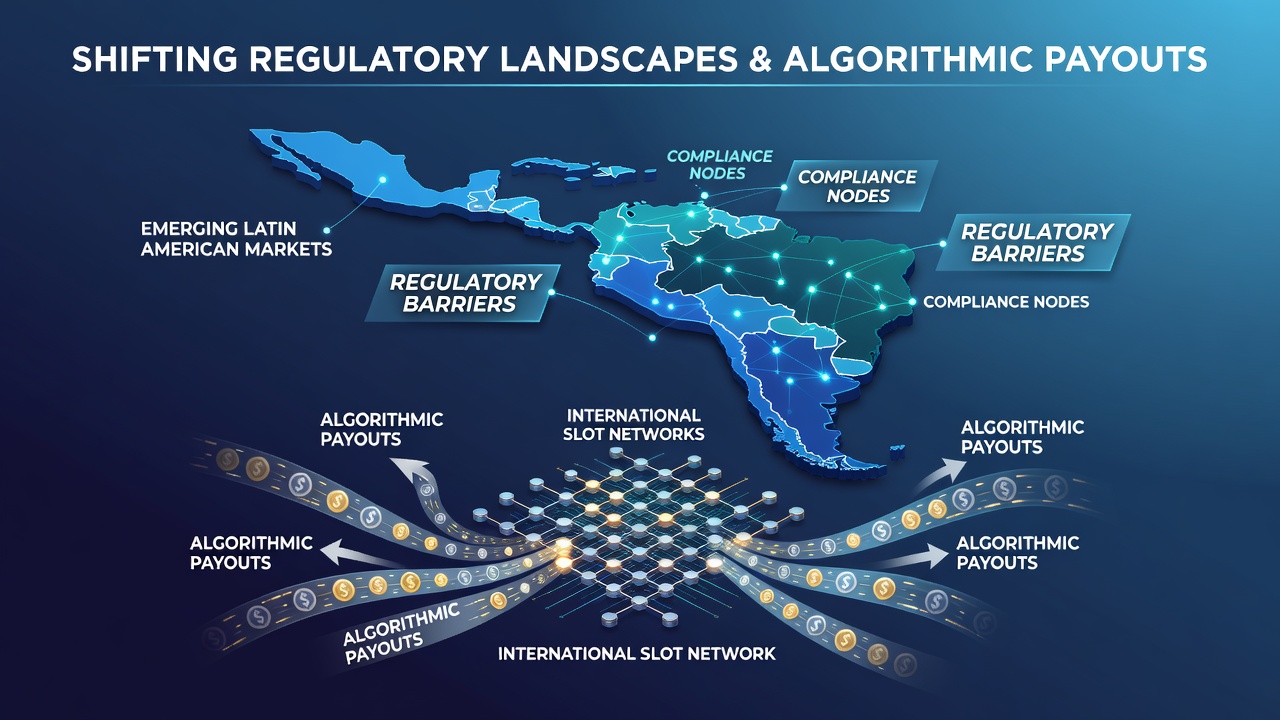
Regulatory changes across Latin America continue to reshape how international slot operators structure their algorithmic payouts, with new licensing requirements and tax frameworks forcing adjustments to return-to-player calculations and random number generator protocols in several key jurisdictions. Brazil has moved forward with federal legalization measures that impose strict reporting standards on payout percentages, while Mexico and Colombia have updated their oversight mechanisms to align with broader financial compliance rules that directly influence how networks distribute winnings across borders.
Recent Developments in Key Markets
Brazil's federal gaming legislation, which advanced through multiple stages in 2025, requires operators to maintain minimum payout thresholds that must be verified through third-party audits every quarter, and these thresholds tie into algorithmic models that adjust dynamically based on player volume and regional tax rates. Observers note that the framework set for full implementation includes provisions effective in June 2026 that mandate real-time data sharing with the national treasury, compelling international networks to recalibrate their RNG algorithms to account for fluctuating fiscal obligations without disrupting player-facing return rates.
Colombia’s Coljuegos agency has introduced updated technical standards for online slots that require all licensed platforms to embed payout verification modules directly into their software, creating a layer of oversight that monitors algorithmic outputs against declared percentages and triggers automatic adjustments when deviations exceed defined parameters. This approach differs from earlier systems that relied on periodic manual reviews, and it affects how global operators synchronize their servers across multiple countries to maintain consistency while complying with local mandates.
Impact on Algorithmic Payout Mechanisms
International slot networks operating in these markets have responded by developing modular payout engines capable of switching between different regulatory profiles depending on the player’s location, which allows a single platform to apply Brazil-specific tax deductions to its base RTP while using a separate calculation layer for Colombian users that incorporates mandatory contribution funds. Research indicates these adaptations require substantial investment in server infrastructure, yet they enable networks to avoid penalties that could reach several million dollars per quarter for non-compliance.
Argentina’s provincial variations add another dimension, since each region maintains its own licensing board with distinct rules on maximum stake limits and minimum payout frequencies that force algorithms to incorporate location-based triggers. Data from industry reports shows operators have begun using geofencing combined with dynamic RNG seeding to ensure that sessions originating in Buenos Aires follow one payout curve while those in Córdoba follow another, all without exposing the underlying code to regulatory scrutiny.
Cross-Border Compliance Challenges
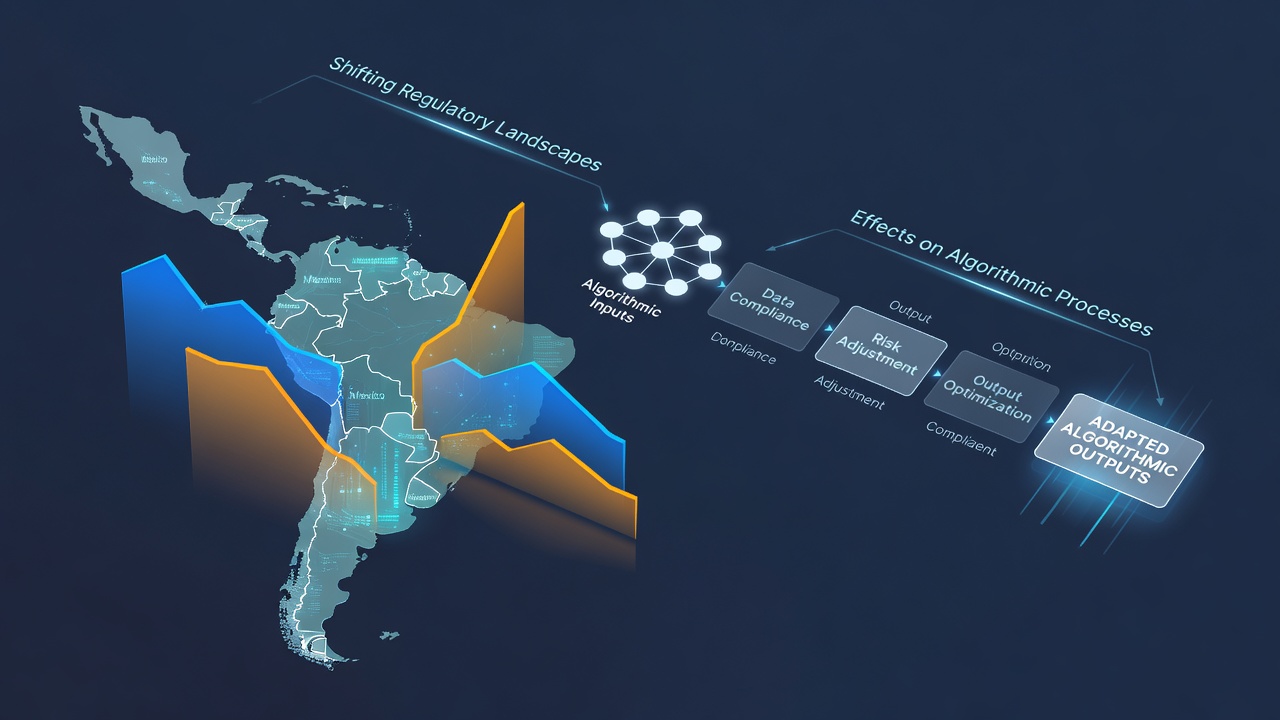
Operators must now navigate conflicting requirements between countries that share similar player bases, and this has led to the creation of centralized compliance dashboards that pull live feeds from each national regulator. According to a 2025 analysis by the Inter-American Gaming Research Consortium, networks that failed to update their payout structures ahead of new Colombian technical circulars experienced temporary license suspensions, prompting others to adopt predictive modeling tools that forecast regulatory shifts based on legislative voting patterns.
Tax treatment of player winnings also varies, with some jurisdictions treating algorithmic payouts as taxable events at the operator level rather than the individual level, which changes how networks allocate reserve funds within their payout formulas. Those who have studied these markets observe that successful operators maintain separate liquidity pools for each regulated territory, allowing the algorithms to draw from region-specific reserves when calculating progressive jackpots or bonus rounds.
Technology Adaptations and Reporting Standards
Many international providers have integrated application programming interfaces that connect directly to government portals, enabling automated submission of payout logs and RNG certification results on a daily basis. This level of connectivity reduces manual reporting burdens but requires the underlying algorithms to generate immutable audit trails that regulators can access without advance notice. Evidence from licensing records reveals that platforms using blockchain-based logging systems have received faster approval times in both Mexico and Peru compared with those relying on traditional database exports.
Seasonal player activity spikes during major football tournaments have further complicated matters, since regulators in several countries now demand that payout algorithms demonstrate stability even when traffic surges by 300 percent or more, and networks respond by temporarily tightening volatility settings to keep overall returns within approved bands. These adjustments happen automatically through rule-based scripts that monitor incoming bet volumes against historical baselines.
Conclusion
The interplay between evolving Latin American regulations and international slot network operations continues to drive technical innovation in payout algorithm design, with operators investing in flexible systems that accommodate jurisdiction-specific rules while preserving core gameplay integrity. As frameworks mature through 2026 and beyond, networks that maintain adaptable architectures will be positioned to meet compliance demands without sacrificing operational efficiency across the region.