6 Jul 2026
The Interplay Between Game Volatility Settings and User Session Durations in Virtual Slot Machines
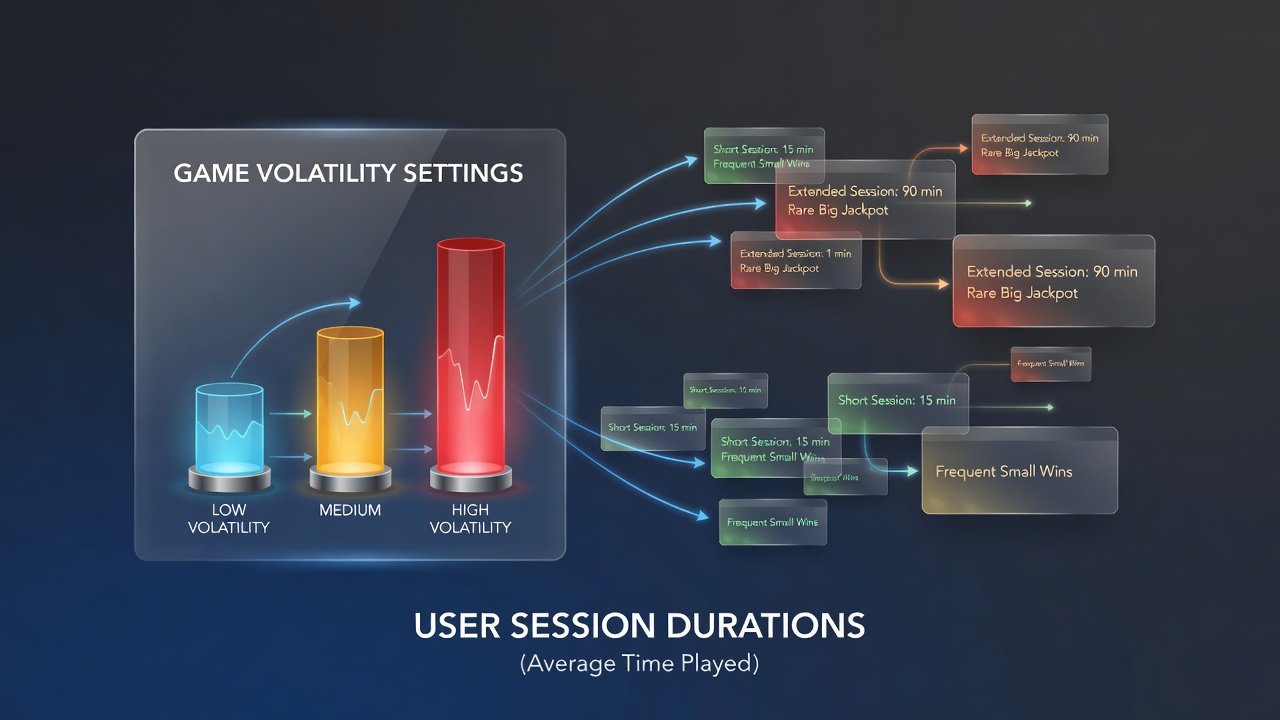
Virtual slot machines operate under defined volatility parameters that shape how wins distribute across player sessions, and these settings connect directly to measurable differences in how long users remain engaged. Low-volatility configurations produce frequent smaller payouts that sustain play cycles, whereas high-volatility options deliver infrequent larger returns that alter pacing and continuation patterns. Regulatory data and platform analytics track these relationships across multiple jurisdictions.
Defining Volatility Parameters in Digital Slots
Game developers assign volatility ratings during design by calibrating the frequency and size of payouts relative to the return-to-player percentage. Low-volatility titles cluster outcomes around steady incremental credits, while high-volatility titles spread results into longer dry spells punctuated by substantial hits. These mathematical structures appear in game specifications submitted to oversight bodies such as the Nevada Gaming Control Board, which maintains records of approved slot configurations and their tested behaviors.
Platform operators adjust volatility through backend settings that influence reel weightings and bonus trigger rates. Players encounter these differences when selecting titles labeled as high-risk or steady-play options, yet the underlying algorithms remain consistent within each category. Research from the University of Nevada, Las Vegas gaming laboratories has documented how these preset ranges affect outcome distributions during controlled testing sequences.
Observed Connections to Session Length
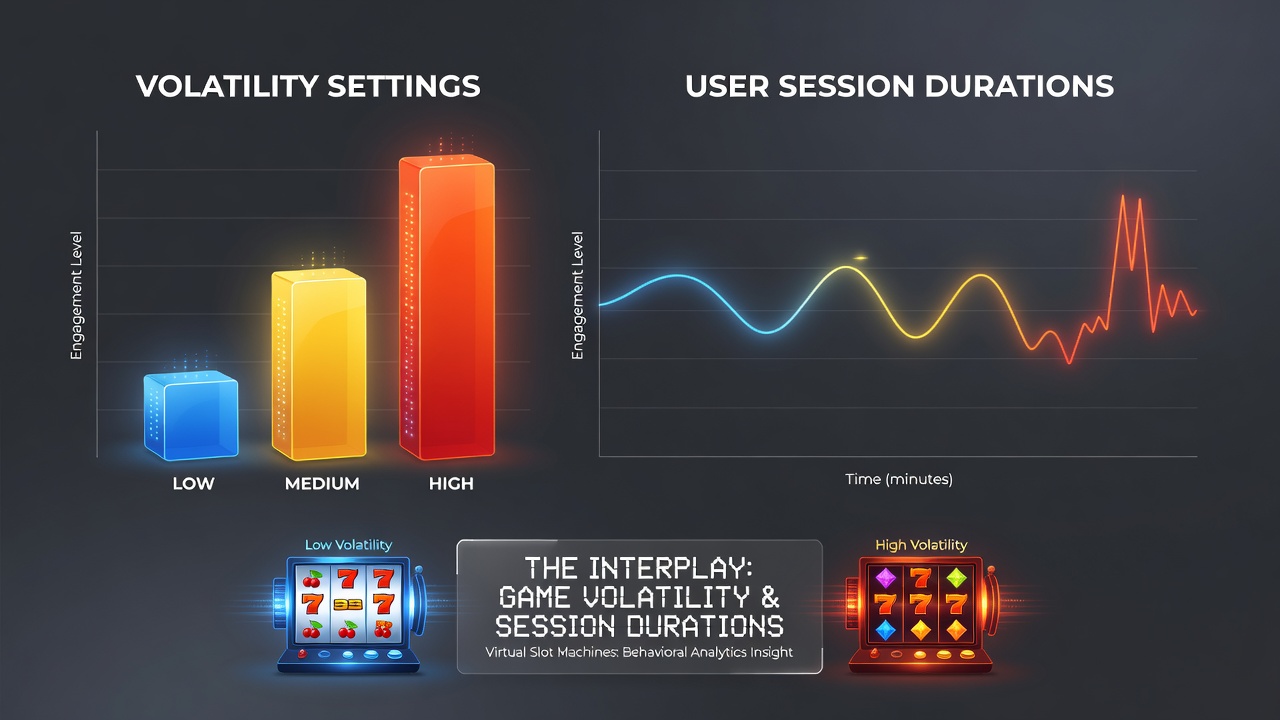
Analytics platforms record session durations segmented by volatility tier, revealing consistent patterns across large datasets. Titles with lower volatility settings correlate with extended average play times because incremental returns encourage continued spins without rapid bankroll depletion. High-volatility games show greater variance, where some sessions terminate quickly after initial losses while others extend when bonus features activate.
Operators monitor these metrics through aggregated user data that excludes individual identifiers. Figures from the New Jersey Division of Gaming Enforcement indicate that low-volatility slots maintain higher retention rates during peak evening hours compared with their high-volatility counterparts. Session tracking software captures spin counts, credit fluctuations, and exit points to map these relationships without revealing personal details.
Regional Data Patterns and Reporting
European regulators compile quarterly reports that include volatility-linked engagement statistics from licensed operators. These documents highlight how market-specific player preferences align with particular volatility offerings, producing measurable differences in average session lengths across countries. Australian state gaming authorities similarly publish aggregated figures that separate low- and high-volatility performance within their monitored networks.
Cross-border comparisons appear in industry summaries from groups such as the Canadian Gaming Association, which aggregates anonymized operational data from multiple provinces. The resulting datasets allow observers to identify whether volatility effects remain stable when regulatory environments and player demographics shift. Such comparisons rely on standardized reporting formats that isolate volatility as one variable among several influencing factors.
Additional Variables That Interact with Volatility
Return-to-player percentages, bonus round frequencies, and maximum bet limits operate alongside volatility to shape session outcomes. A high-volatility title paired with an elevated RTP may sustain longer play than expected, while a low-volatility game with restrictive bet sizing can produce shorter sessions. Platform interfaces also present autoplay and quick-spin options that modify the temporal experience without changing the core volatility mathematics.
Seasonal traffic reports from operators show that volatility preferences can vary by time of year, though the underlying session-duration correlations persist. Mobile versus desktop access further influences pacing because touch interfaces and push notifications alter how players interact with the same volatility settings. These layered elements receive attention in technical evaluations submitted during game certification processes.
Conclusion
Volatility settings in virtual slot machines connect to session durations through documented payout structures and aggregated usage data. Regulatory records from multiple regions, combined with platform analytics, demonstrate repeatable patterns that differentiate low-volatility steady engagement from high-volatility variable length sessions. Continued monitoring by oversight agencies and research institutions supplies updated figures that refine understanding of these interactions across evolving digital platforms.